

Discipline can mean different things at different times in life.
When I was in military prep school, discipline meant following orders. It meant doing what I was told, even when I felt tired or did not want to do it.
That kind of discipline had a purpose. But later in life, I learned that reaching my own goals calls for something more.
The lesson from military prep school
I remember one day when we had just finished our daily five-mile run. Then we went through the obstacle course.
After all that work, our drill sergeant, “Gunny Ski,” sat us down and started talking about discipline.
As I remember his words, he said something like:
“Discipline is the instant and willing obedience to all orders, respect for authority, self-reliance, and teamwork.”
That definition made sense for the place we were in. We were young men learning to follow orders, respect the people in charge, rely on ourselves, and work as a team.
Those are useful lessons. There are times when we need to listen, follow good directions, and work with others.
But when it comes to reaching a goal we have chosen for ourselves, that definition is not enough. No one can always stand beside us and give us orders. We must learn how to lead ourselves.
A definition that changed how I saw discipline
Later in life, I started listening to Brian Tracy. He described discipline as:
“The ability to make yourself do what you should do, when you should do it, whether you feel like it or not.”
I adopted that definition because it spoke to a different kind of discipline.
It is not only about obeying someone else. It is also about keeping a promise to yourself.
You may have a goal to save money, learn a new skill, grow a business, or become a better leader. You may know what step to take next. But knowing what to do and doing it are not the same thing.
Discipline helps you take that step—even on a day when you would rather put it off.
The big idea: discipline is self-leadership
Here is the idea I want you to take with you:
Discipline is not about waiting until you feel ready. It is about learning to guide yourself toward what matters.
That does not mean you must work all the time. It does not mean you should ignore your health or never rest.
It means you make a choice, set a plan, and keep taking the next useful step.
Three simple ideas can help.
1. Choose a goal that matters to you
It is hard to stay with a goal when you do not know why it matters.
Maybe you want to save money so your family has more choices. Maybe you want to learn how to find new customers for your business. Maybe you want to build something that can help your children in the future.
Your reason does not have to sound big to other people. It just has to matter to you.
Ask yourself:
- What do I want to work toward?
- Why is it important to me?
- Who else may benefit if I keep going?
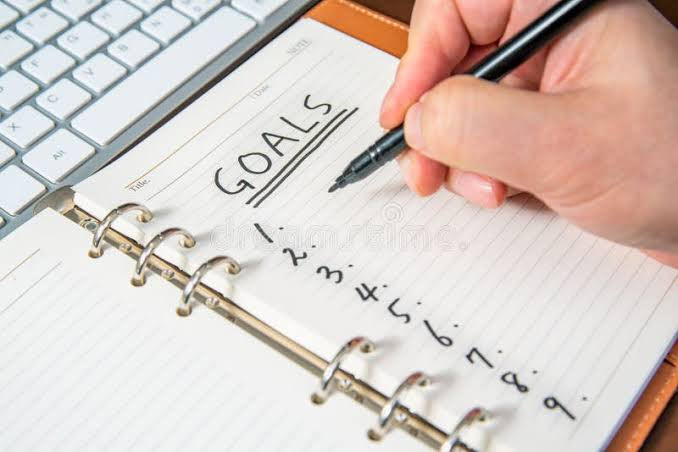
Write down your answers. When the work feels hard, read them again.
2. Make the next step small
A large goal can feel too hard to start.
“Build a business” is a large goal. “Talk to one person who may need my service” is a small step.
“Get better with money” is a large goal. “Write down what I spent today” is a small step.
Small steps make it easier to begin. They also help you see that you are moving forward.
Try choosing one action you can do in 10 or 15 minutes. Then decide when you will do it.
3. Build a habit around the step
Discipline can help you start. A habit can make it easier to repeat the action.
A habit is something you do again and again. For example, you might read one page after breakfast, review your spending each Sunday, or spend 10 minutes learning a new skill after work.
Choose a simple action. Connect it to a time or part of your day. Then keep track of each time you do it.
You will not do it perfectly every day. That is okay. If you miss a day, do not use that as a reason to quit. Start again with the next chance you get.
You do not have to feel ready
Sometimes we believe we need to feel excited before we can act.
But feelings can change from day to day. You may feel ready one morning and tired the next. If you wait for the perfect mood, you may wait a long time.
Discipline can help you act even when your feelings are not strong.
Start with one small step. Do it because the goal matters—not because the day feels perfect.
Over time, that step may become a habit. And the habit may help you keep moving toward the life you want to build.
Choose your next step
The lesson I took from military prep school still matters: respect, teamwork, and following good direction can help us in life.
But reaching our own goals also asks us to lead ourselves. We have to choose what matters, do the next right thing, and keep going when we do not feel like it.
This week, choose one goal and one small action that can move you toward it.
Write this sentence and finish it:
“Even when I do not feel like it, I will ______ because ______.”
That is one way to practice discipline.
What is one small step you will take this week?
Napoleon Russ
Thanks for reading. I share what I’m learning about personal growth, money, business, and building a better future for our families.
“Reach for the stars. Your next small step can take you closer.”